Unlock Your Dogs Prospective: A Comprehensive Overview to Effective Dog Training Techniques
Exposing a dog's possible entails greater than straightforward obedience. It needs a profound understanding of canine behavior and effective training techniques. Positive reinforcement plays an important role in fostering a solid bond and encouraging preferred behaviors. Furthermore, socializing and addressing behavioral problems are vital elements. As proprietors explore these approaches, they will certainly find the subtleties that result in a positive and well-adjusted canine friend. The journey to reliable training is just beginning.
Understanding Your Dog's Habits
Understanding a dog's actions is essential for efficient training and communication. Pets, as social animals, display different habits that can indicate their needs and emotions. Observing body language, such as tail setting, ear positioning, and position, supplies insights right into a dog's state of mind-- whether they are relaxed, distressed, or aggressive. In addition, articulations like barking, yawping, or growling convey different significances, commonly mirroring their mindset. Acknowledging these signals allows owners to react suitably, promoting a more powerful bond. Socializing experiences also shape behavior, affecting how pet dogs connect with various other pets and humans. By thoroughly comprehending these behavior cues, proprietors can produce an extra unified setting, resulting in more successful training outcomes and enhanced communication with their canine friends.
Positive Support Training
Advantages of Favorable Reinforcement
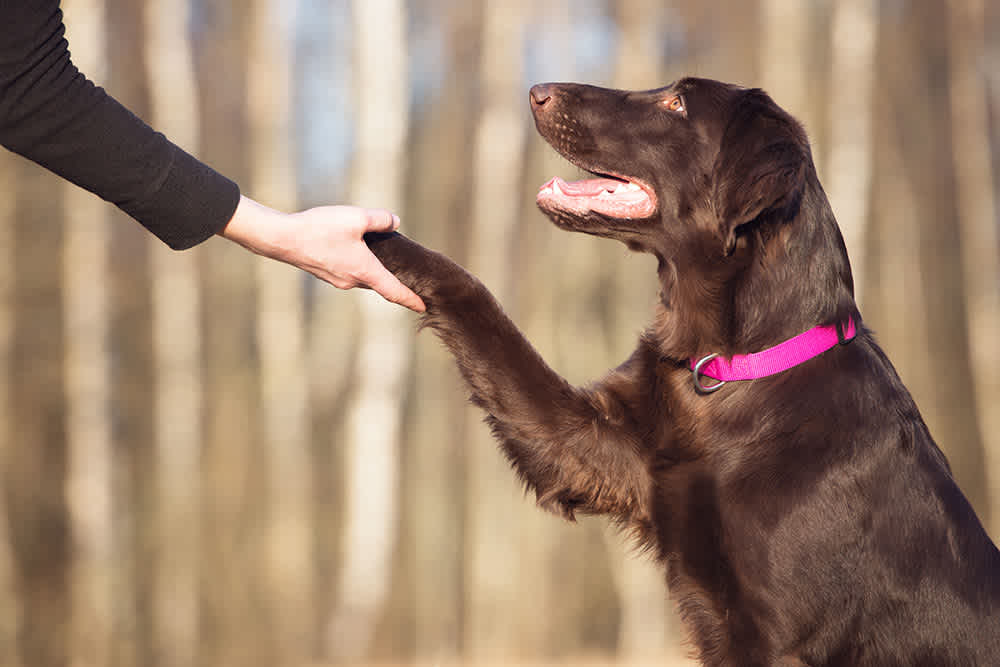
Caring training methods have actually gained considerable recognition in the field of pet training, particularly via making use of positive reinforcement. This technique highlights gratifying wanted habits as opposed to penalizing unwanted ones. The advantages of favorable reinforcement are various. To start with, it cultivates a solid bond in between the pet and trainer, advertising count on and collaboration. Furthermore, pets trained using this approach are typically a lot more inspired to find out, as they connect training with favorable experiences. In addition, favorable reinforcement can lead to long-lasting behavioral adjustments, as it urges pets to duplicate actions that generate incentives. Finally, this method reduces anxiety and anxiousness, developing a more pleasurable discovering atmosphere. Overall, the effectiveness of favorable support makes it a popular choice amongst dog instructors and owners alike.
Methods for Effective Training
Efficient training techniques build on the foundations laid by favorable support. This approach motivates preferred behaviors through benefits, fostering a positive understanding atmosphere. Techniques such as remote control training and treat-based incentives properly interact to pets what activities are valued. Uniformity is vital; commands should be clear and benefits prompt, reinforcing the link between actions and outcome. Additionally, differing benefits-- making use of treats, appreciation, or play-- can preserve a dog's inspiration. Incorporating short training sessions boosts emphasis and retention, while slowly enhancing difficulty helps pets construct confidence. Socialization with various other canines and people can also be incorporated, permitting real-world method of found out habits. Ultimately, these strategies create a strong bond in between pet and owner, helping with reliable interaction and shared understanding.
Fundamental Commands Every Dog Should Know
A strong foundation of standard commands is crucial for every single dog, as it promotes communication between the pet and the proprietor. Trick commands consist of "rest," "remain," "come," "down," and "leave it." These commands not only establish a framework for obedience however also improve safety and security throughout strolls and outings. Teaching "rest" supplies a simple means for pets to react to requests, while "remain" reinforces persistence. The command "come" is important for guaranteeing a dog returns when called, lowering the danger of crashes. "Down" encourages calmness, and "leave it" helps stop undesirable behaviors, such as scavenging. Constant training with positive support assurances that dogs recognize and respond reliably, inevitably strengthening the bond in between proprietor and pet dog.
Socializing: The Key to a Well-Adjusted Dog
Socializing functions as a foundation in developing a well-adjusted pet dog, forming actions that advertise harmony in numerous atmospheres. With direct exposure to various people, animals, and settings, dogs discover to establish and browse social communications confidence. Early socializing, ideally throughout the important duration in between 3 to 14 weeks of age, allows young puppies to form favorable associations, reducing the possibility of worry and anxiety later in life. Involving in pup classes, monitored playdates, and differed trips can improve a dog's versatility and decrease reactivity. On top of that, recurring social experiences throughout a dog's life are important for preserving their social abilities. By prioritizing socialization, proprietors cultivate a well balanced, pleasant buddy that grows in diverse circumstances.
Attending To Behavioral Issues
Numerous canines run into behavior problems that can interrupt their partnership with proprietors and impede their overall wellness. Typical problems include excessive barking, chewing, and aggressiveness, which often originate from concern, anxiety, or lack of training. Recognizing the origin is important for effective intervention. Constant training and favorable reinforcement can aid customize undesirable actions. Gratifying calm behavior can minimize barking, while offering proper eat toys can hinder harmful chewing. In addition, producing a structured regimen can improve a dog's sense of safety, causing boosted actions. Owners must continue to be client and understanding, as addressing these concerns might need time and persistence. With the right approach, many behavior concerns can be successfully managed, promoting a healthier bond between pet dog and proprietor.
Advanced Training Techniques for Enthusiastic Learners
Advanced training techniques can raise the skills of passionate students and their canine companions. Approaches such as remote control training, dexterity principles, and advanced obedience abilities offer structured approaches to improve interaction and performance (Board and Train Freeport Florida). These strategies not just promote a more powerful bond in between canine and handler but additionally offer mental stimulation for the pet
Clicker Training Techniques
Clicker training has become a preferred and reliable method for dog instructors seeking to improve their canine companions' understanding experience. This positive reinforcement strategy uses a little handheld device that sends out a distinct audio, noting wanted actions right away. By associating the noise of the remote control with rewards, such as deals with or praise, pet dogs promptly find out to connect specific actions with favorable end results.

Trainers can use remote control training for different commands, methods, and also attending to behavior problems. Consistency is vital; each click must be complied with by a benefit to reinforce the actions. Board and Train Freeport Florida. Additionally, this approach fosters a bond between the fitness instructor and pet, as it motivates communication and understanding. With technique, both amateur and skilled instructors advice can efficiently apply remote control training methods
Agility Training Basics
Building on the principles of favorable support exhibited in remote control training, dexterity training presents pet dogs to a collection of obstacles designed to check their responsiveness, rate, and coordination. This vibrant sport contains various parts, such as dives, tunnels, and weave posts, motivating canines to browse through training courses with precision. Trainers play an important role, utilizing spoken signs and body language to guide their pets successfully. First training concentrates on familiarizing pet dogs with each obstacle, ensuring they feel inspired and certain. As pets progression, they learn to finish entire training courses, boosting their physical conditioning and psychological acuity. Ultimately, agility training not just cultivates a deeper bond in between dog and handler however likewise supplies an electrifying electrical outlet for a dog's energy and knowledge.
Advanced Obedience Skills
While several canine owners begin with standard commands, diving into innovative obedience abilities can significantly improve a dog's training experience and responsiveness. Advanced abilities such as off-leash heeling, range commands, and complex techniques not just test the dog psychologically however also enhance the bond between the proprietor and their family pet. Techniques like clicker training, marker training, and favorable reinforcement are important in this phase. Uniformity and perseverance are crucial, as pets require time to understand these abilities. Integrating distractions during training sessions can boost emphasis and reliability. Participating in advanced obedience not just makes training delightful however likewise cultivates a hospitable and positive canine buddy, prepared to deal with brand-new challenges with excitement.
Regularly Asked Inquiries
How Lengthy Does It Require To Train a Pet Successfully?
Training a dog properly can take anywhere from a couple of weeks to numerous months, relying on variables like the canine's age, type, character, and the consistency of the training approaches used by the proprietor.
Can Older Dogs Learn New Tricks?
Yes, older dogs can discover brand-new techniques. With persistence, uniformity, and favorable support, they typically adapt well to training. Their desire to discover may surprise their proprietors, showing that age does not limit finding out prospective.
What Should I Do if My Dog Rejects to Listen?
If a dog refuses to listen, Find Out More the proprietor needs to continue to be calm and client, reassess the training method, guarantee disturbances are lessened, and think about utilizing favorable support techniques to urge preferred habits properly. Professional Dog Training Freeport FL.
How Do I Maintain My Dog's Training With time?
To preserve a dog's training with time, consistent support of discovered commands, routine practice, and positive incentives are essential. Additionally, incorporating training into daily regimens keeps abilities fresh and reinforces the bond between proprietor and pet dog.

Are There Any Kind Of Training Techniques to Avoid?
Specific training methods ought to be stayed clear of, such as those making use of physical penalty, scare tactics, or extreme force. Positive reinforcement techniques are advised rather, promoting depend on and a healthy bond between the canine and its owner.
Compassionate training techniques have gained significant recognition in the field of dog training, especially via the usage of positive reinforcement. In addition, canines educated utilizing this approach are typically more inspired to learn, as they link training with positive experiences. Structure on the concepts of favorable reinforcement exemplified in clicker training, agility training presents canines to a collection of challenges made to check their speed, responsiveness, and sychronisation. While numerous pet dog owners start with standard commands, diving into sophisticated obedience skills can significantly enhance a dog's training experience and responsiveness. To keep a dog's training over time, consistent reinforcement of found out Puppy Training Freeport FL commands, normal practice sessions, and positive rewards are important.